Aluminum Product Process Flow

Home / Technique / Aluminum Product Process Flow
  • 01
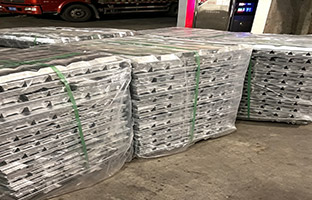
    Aluminum material
    Aluminum material used for production, with material composition meeting RoHS requirements.
  • 02
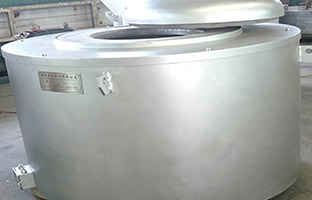
    Melt
    Put the aluminum block into a constant temperature natural gas boiler and melt it into liquid aluminum to match the next die-casting process.  
  • 03
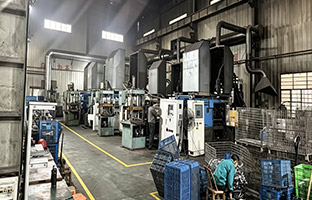
    Die-casting
    Transfer the refined aluminum liquid to the insulation furnace, and then inject the aluminum liquid into the preheated mold through the injection system of the die-casting machine. The injection part uses the energy of the hydraulic system to push the punch and push the molten metal into the mold cavity. The aluminum liquid injected into the mold crystallizes and solidifies under high pressure, forming a casting. After the casting is completely solidified, open the mold and remove the casting from the mold using the picking mechanism.
  • 04
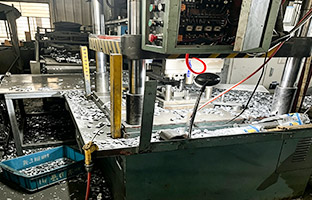
    Disposal handle slag bag
    Stamping machines remove residual slag, material handles, and material heads from the product by placing the formed product in a mold and applying pressure between the upper and lower halves of the mold.
  • 05
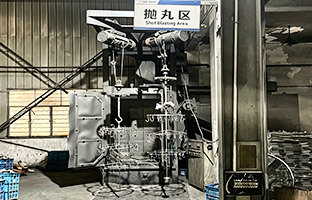
    Blasting
    Using high-speed moving micro pellets to continuously impact the surface of the workpiece, removing burrs and aluminum slag residues, forming a compressive stress layer through projectile impact, and improving the fatigue resistance and wear resistance of the workpiece.
  • 06
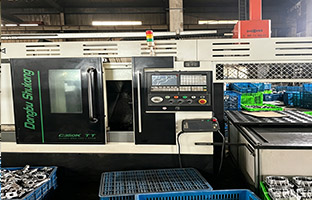
    Fine machining
    Designers use UG software to create 3D models of products, and then program the product dimensions based on the tolerance requirements of the product's process drawings. The program is then converted into CNC compatible numerical control code (such as G code). These codes guide the machine tool to execute precise cutting paths, feed rates, and tool motion trajectories. According to the material, shape, and processing requirements of the parts, select a suitable CNC machine, install and calibrate the cutting tools, and finally install the fixtures to ensure that the workpiece is fixed and stable to prevent offset during the processing. Once all the preparation work is completed, the CNC machine can execute the machining task according to the preset CNC program. The machining process is fully automated, and the tool cuts the material according to the set trajectory until the part is formed. 
  • 07
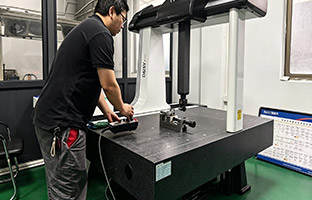
    Finished product inspection
    According to the tolerance dimensions in the product process diagram, the three-dimensional position of the precision machined product can be determined with a measurement accuracy of micrometer level, which can evaluate the dimensional tolerance, geometric tolerance (such as parallelism, coaxiality, etc.), and ensure that the workpiece meets the design requirements.   
  • 08
    Package
    Pack the components obtained from each process in neat compartments and place them in rubber frames for subsequent shipment.